.png?width=1816&height=566&name=brandmark-design%20(83).png "Tech Channels - IT News, Resources & Insights")
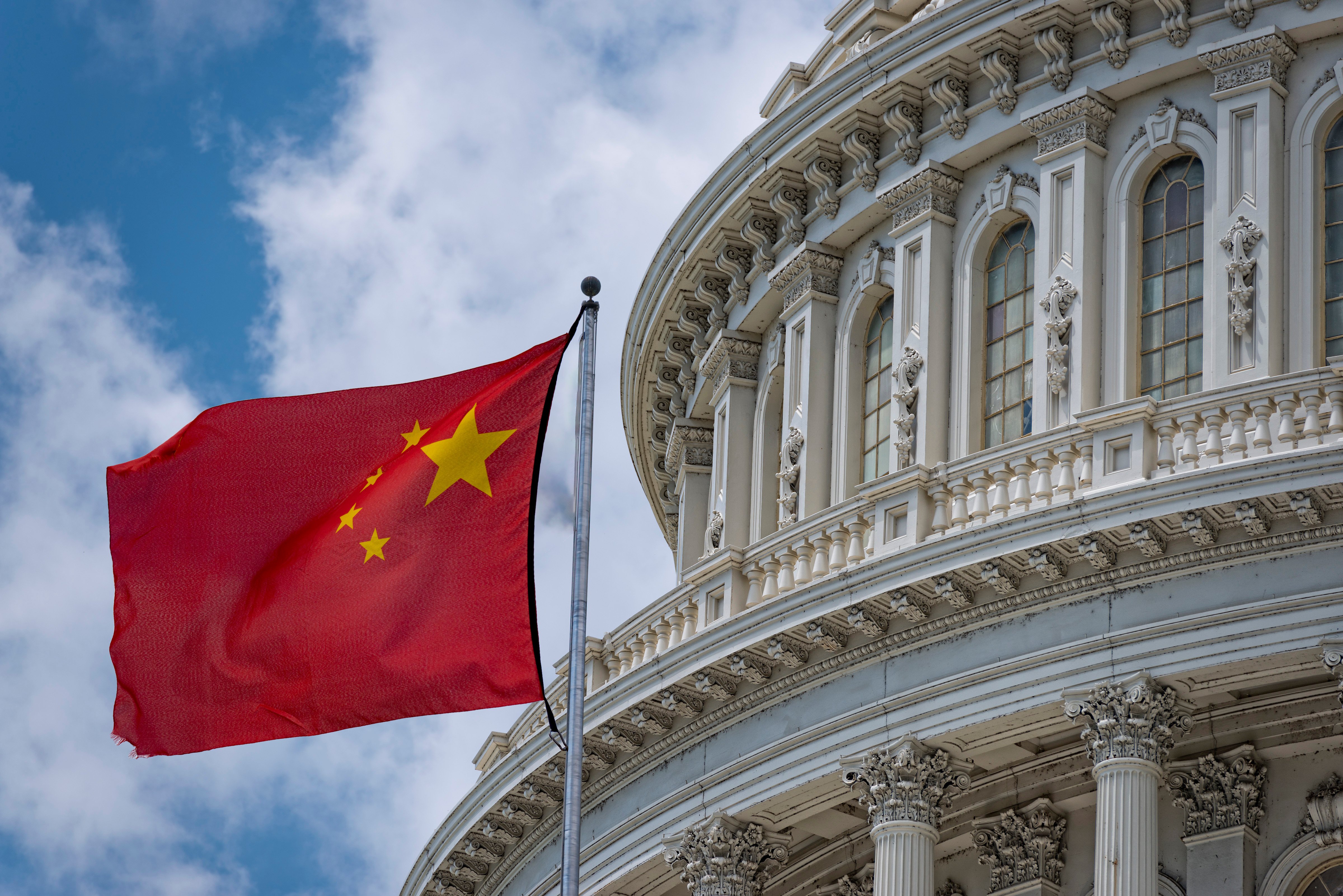
An intrusion observed linked to the Chinese threat actor known as Salt Typhoon and observed in December avoided dramatic targets and chose a smarter path (Financial Times, 2026), choosing Congressional staff email systems supporting House committees on China policy, intelligence, foreign affairs, and military oversight as the entry point.
China’s response to these reports has been firm in denial, calling accusations “unfounded” and framing them as politically motivated commentary (Government Executive, 2026). That diplomatic script is familiar, but it does not change the multi-year pattern of Salt Typhoon activity observed by defenders and incident responders across critical sectors.
US officials detected the activity in December and traced it to infrastructure and techniques associated with Salt Typhoon, a group already tied to long-running espionage campaigns against US telecommunications and government networks. The objective aligns with a familiar intelligence logic: observe policy formation before it solidifies. Staffers occupy a strategic position inside Congress. They draft briefs, frame questions, coordinate hearings, and translate intelligence into legislative momentum.
From an intelligence standpoint, staff communications offer more than informational content. They reveal how institutions reason. Email threads, shared drafts, and internal coordination expose which issues rise quickly, which stall, where resistance emerges, and how compromise is constructed. Timing matters as much as substance. Knowing when a hearing is being prepared, when language is being softened, or when attention shifts can provide strategic foresight without ever touching classified material
Salt Typhoon’s previous operations concentrated on telecom systems, enabling prolonged access to calls, messages, and metadata (US Congress, 2026). That campaign revealed how much strategic context flows through environments classified as sensitive yet unclassified. The same exposure pattern appears again here.
This breach has broader implications for how government systems are segmented and protected. Congressional networks are not subject to the same compartmentalisation as classified systems, and that creates a soft underbelly of operationally sensitive work that is nevertheless unclassified and reliant on standard commercial email infrastructure. Cyber espionage has entered a phase in which advantage comes from understanding how institutions think rather than from stealing what they store. In other words, this is cognitive espionage: mapping priorities, internal debates, timing, and momentum before decisions surface publicly (Coge, 2025). For state adversaries, this terrain offers a durable advantage. Observing institutional cognition allows anticipation rather than reaction. It enables influence without interference and leverage without disruption. By the time policy reaches a formal stage, the strategic picture has already been drawn.
Defending against this class of threat requires a conceptual shift. Security must extend beyond protecting data to safeguarding decision environments. That means designing workflows with containment in mind, limiting privilege sprawl, segmenting collaboration spaces, tightening vendor oversight, and recognizing that systems lacking classification markings can still carry national consequences.
The most valuable systems remain easy to overlook because they look like ordinary work. Power accumulates often undetected, inside the processes that feel routine, unremarkable, and safe…until someone else understands them better than the organization in which they operate.