.png?width=1816&height=566&name=brandmark-design%20(83).png "Tech Channels - IT News, Resources & Insights")
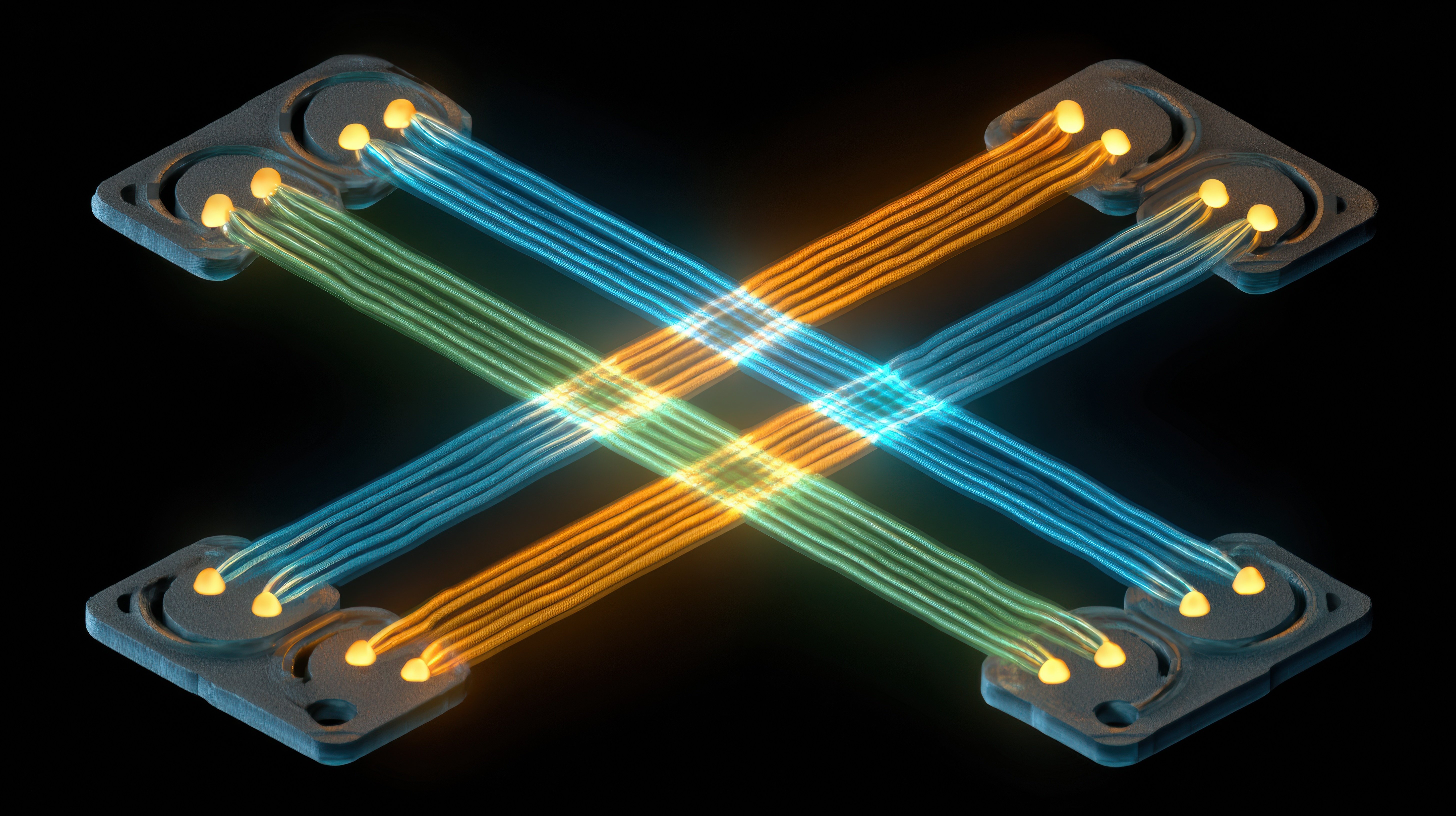
Microsoft’s quantum computing roadmap has once again been called into question as researchers challenge evidence used to validate its chips. While the critique hasn’t disproved Microsoft’s technology, it does dispute the strength and interpretation of the evidence the company provided with its unveiling of the new Majorana 2 quantum chip in June. Specifically, Microsoft claimed that their agentic AI model made the new quantum chip “1,000x more reliable.”
The quantum computing industry has long had a credibility problem. The foundational physics of the technology have been around for decades, but years of inflated venture capital hype and premature commercial promises have eroded confidence in vendor roadmaps. Thus, peer review is a significant checkpoint for the market.
Quantum information is also exceptionally fragile. Existing systems require extensive error-management measures, so much of the industry is focusing on error correction using many physical qubits. Microsoft’s claim concerns using AI to address errors in how qubits interact with heat, electromagnetic interference, or other environmental effects. Because even the slightest environmental noise can cause information to degrade or even collapse before a calculation can be completed, the technology currently has limited commercial value.
Microsoft has spent years pursuing Majorana-based topological qubits, and the company argues that their physical structure could provide improved error resistance. Majorana 2 is the latest iteration of their hardware program, but it is a high-risk, albeit potentially high-reward strategy. The architecture differs from other quantum technologies, since it relies on hardware-level topological protection where others tend to rely on software-based error correction.
According to physicist Henry Legg, who published the peer-review critique, the evidence provided does not clearly establish the claimed topological gap or the quantum states needed for Microsoft’s proposed qubit. In layman’s terms, that means Microsoft has yet to present convincing proof that the special quantum effect it needs is actually present in the chip. Legg’s argument is that the published results could instead still have other explanations, such as noise or other more ordinary quantum behavior.
While that doesn’t mean Microsoft’s quantum project has failed, it does mean the company’s timeline for building a practical and commercially viable topological quantum computer is less certain. As such, claims should be treated as promising research rather than a proven technology, meaning that businesses should be wary of investing in quantum strategies that depend on Microsoft—or any other vendor—meeting their stated roadmap. However, none of this negates the need to prepare for post-quantum cybersecurity, even if quantum computers arrive later than vendors might hope for.