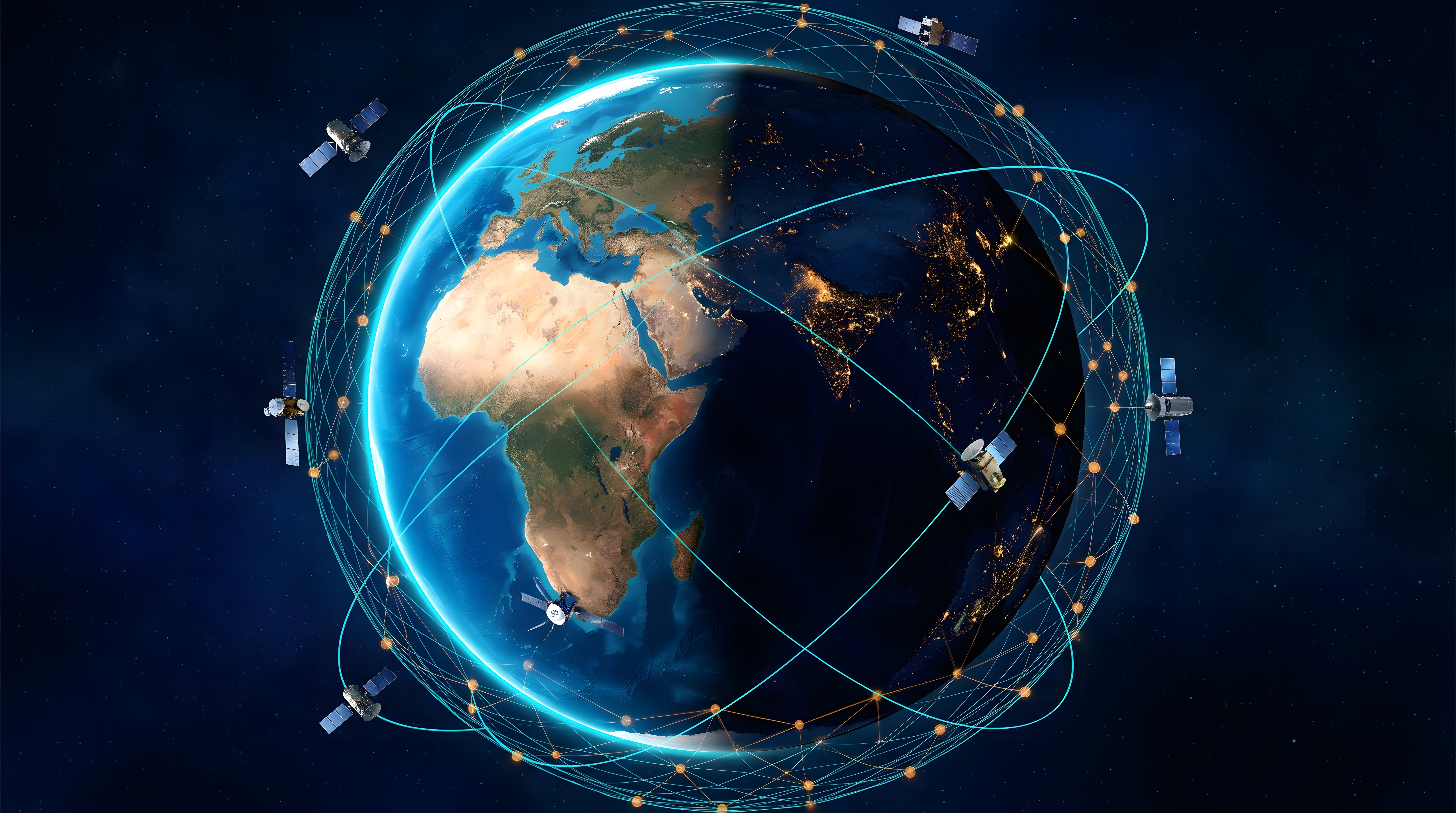
With all the talk of developing space, cybersecurity preparedness in the sector falls short of its importance, according to a recent assessment by the European Union Agency for Cybersecurity (ENISA).
The agency also warns that attacks through suppliers and other dependencies can spread disruption well beyond the organization first breached (ENISA, 2026). That is uncomfortable timing for an industry becoming part of the communications infrastructure other businesses rely on.
The day after the assessment was released, Manar Alohaly, senior RDI executive at the Saudi Information Technology Company (SITE), described the expansion in the World Economic Forum. Satellite services are reaching ordinary phones and industrial sensors, while spacecraft increasingly support changes through software after launch. Coverage is improving, but so is the reach available to anyone who compromises the systems behind it (World Economic Forum, 2026).
For a utility, remote monitoring changes how maintenance decisions are made. Reliable readings can help engineers judge which equipment needs attention and which site visits can wait. Over time, staffing and inspection schedules may come to depend on that information being available.
An outage forces a decision about how long equipment can safely run without supervision. Corrupted data can prevent anyone from recognizing that a decision is needed. A plausible reading showing normal conditions could delay an inspection even as a fault develops. Checking it may require sending an engineer to the very location the satellite link made possible to monitor remotely.
The utility’s own network could remain secure throughout. If the problem originates inside the satellite provider, its engineers may have no way to establish which readings were affected or when the interference began. Restoring the connection would leave them with work still to do: verifying the equipment’s condition and reviewing decisions made while the data was unreliable. Viasat’s KA-SAT incident shows just how far that separation can extend. In February 2022, attackers accessed a management network on the ground and sent commands that disrupted customer modems. The company found no evidence that the satellite itself had been compromised (Viasat, 2022). A functioning spacecraft was of little help to customers whose terminals could no longer connect.
Another critical concern is the concentration: Alohaly notes that one commercial constellation accounted for a majority of active satellites by March 2026. A provider disruption could therefore affect customers across otherwise unrelated industries (World Economic Forum, 2026). More spacecraft do not necessarily mean more independent options for the organizations using them.
A provider’s recovery estimate may be accurate and still tell a customer little about when work can resume. If damaged terminals need replacing at remote sites, the connection could remain unavailable long after the network is restored. Where data may have been altered, engineers also need enough information to judge whether equipment is safe to operate.
These are details worth settling while negotiating the service. During an incident, the customer will depend on what the provider can establish and is willing to disclose. But there is also a limit to what buying a backup achieves since a satellite link can keep a site connected after a cable breaks, yet using the same satellite provider across several facilities leaves them exposed to a shared disruption. That may be an acceptable trade-off, provided the business has planned for it.